How Artificial Intelligence Is Changing the World
Artificial Intelligence is no longer a distant concept reserved for researchers and technology enthusiasts. It is now a powerful force quietly transforming nearly every aspect of modern life. From the way we work and communicate to how we receive medical care and education, AI has become an invisible partner in our daily routines. While many people still think of artificial intelligence as something futuristic, the truth is that it is already reshaping the world around us at an astonishing pace.
One of the most noticeable changes brought by AI appears in our everyday habits. When we unlock our phones using facial recognition, receive movie recommendations on streaming platforms, or get directions from navigation apps, we are directly interacting with artificial intelligence. These systems analyze enormous amounts of data in real time to provide fast, personalized suggestions. What once required human judgment is now handled instantly by intelligent algorithms. This convenience has subtly altered how people make decisions, consume content, and even think.
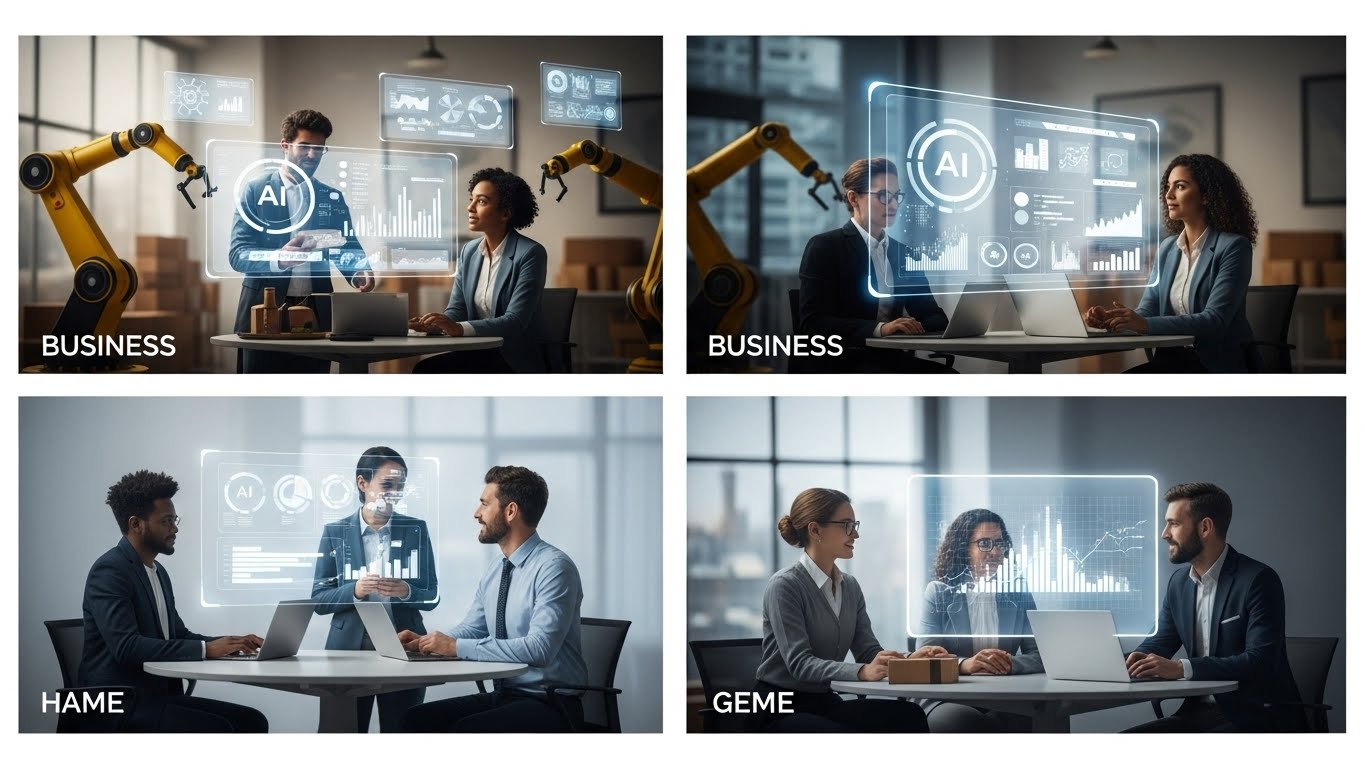
In the business world, artificial intelligence has become a major driver of efficiency and growth. Companies use AI to analyze customer behavior, forecast sales, and automate routine tasks. Chatbots handle thousands of customer service requests daily without human fatigue. Smart algorithms optimize supply chains, reduce waste, and predict market trends with remarkable accuracy. As a result, businesses operate faster, smarter, and more competitively than ever before. However, this transformation also raises serious concerns about job security, as many traditional roles are being redefined or replaced by intelligent systems.
Healthcare is another field where the impact of AI is both profound and promising. Artificial intelligence is now capable of analyzing medical images, detecting diseases at early stages, and assisting doctors in making more accurate diagnoses. AI-powered systems can process patient data in seconds, helping physicians create personalized treatment plans. In some cases, these systems outperform human specialists in identifying certain conditions. This does not mean that doctors will be replaced, but rather that their abilities will be enhanced. The future of medicine appears to be a collaboration between human expertise and machine intelligence.
Education is also undergoing a silent revolution through AI. Online learning platforms use artificial intelligence to adapt lessons based on a student’s performance. Students who struggle with a topic receive extra practice, while advanced learners move ahead more quickly. Virtual tutors provide support at any time of day, breaking the limits of traditional classrooms. This technology offers hope for equal access to education across different regions of the world. Yet, it also challenges conventional teaching methods and raises questions about the role of human educators in an increasingly digital environment.
The influence of artificial intelligence extends deeply into communication and media. Social media platforms use AI to determine what content users see, shaping public opinion in subtle ways. Voice assistants respond to spoken commands, translating languages and answering questions instantly. At the same time, AI-generated content, including text, images, and videos, is becoming increasingly realistic. While this opens creative possibilities, it also introduces risks such as misinformation, deepfake technology, and the manipulation of public perception.
Transportation is another area experiencing rapid change. Self-driving cars, intelligent traffic systems, and AI-powered logistics are redefining how people and goods move around the world. Smart traffic lights reduce congestion, delivery routes are optimized using predictive algorithms, and autonomous vehicles are continuously tested for safer roads. These innovations promise fewer accidents, lower fuel consumption, and more efficient urban transportation, though ethical and legal challenges remain unresolved.
Despite its many benefits, artificial intelligence also brings significant ethical and social challenges. Issues such as data privacy, surveillance, algorithmic bias, and loss of human control are widely debated. AI systems learn from data created by humans, which means they can also inherit human prejudices and inequalities. Decisions made by algorithms in hiring, lending, or law enforcement can deeply affect lives, yet their inner workings are often difficult to understand or question. This creates a pressing need for transparency, regulation, and global standards.
Looking ahead, artificial intelligence is expected to play an even greater role in shaping the future of humanity. Experts believe AI could help solve major global problems such as climate change, food shortages, and energy efficiency. Smart systems may discover new medicines faster, manage natural resources more responsibly, and improve disaster prediction models. In this hopeful vision, artificial intelligence becomes a vital ally in building a more sustainable and secure world.
However, the future is not guaranteed to be entirely bright. The same technology that improves lives can also be misused for cybercrime, mass surveillance, or autonomous weapons. As machines grow more powerful, the responsibility placed on those who design, control, and regulate them becomes even greater. The choices made today will determine whether artificial intelligence becomes a tool for collective progress or a source of global risk.
Ultimately, artificial intelligence is not just changing technology — it is changing human society itself. It influences how we work, how we learn, how we interact, and how we understand the world. AI is no longer just a tool; it is a transformative force shaping the 21st century. Whether this transformation leads to a better future depends not on machines, but on the wisdom and values of the people who guide their development.